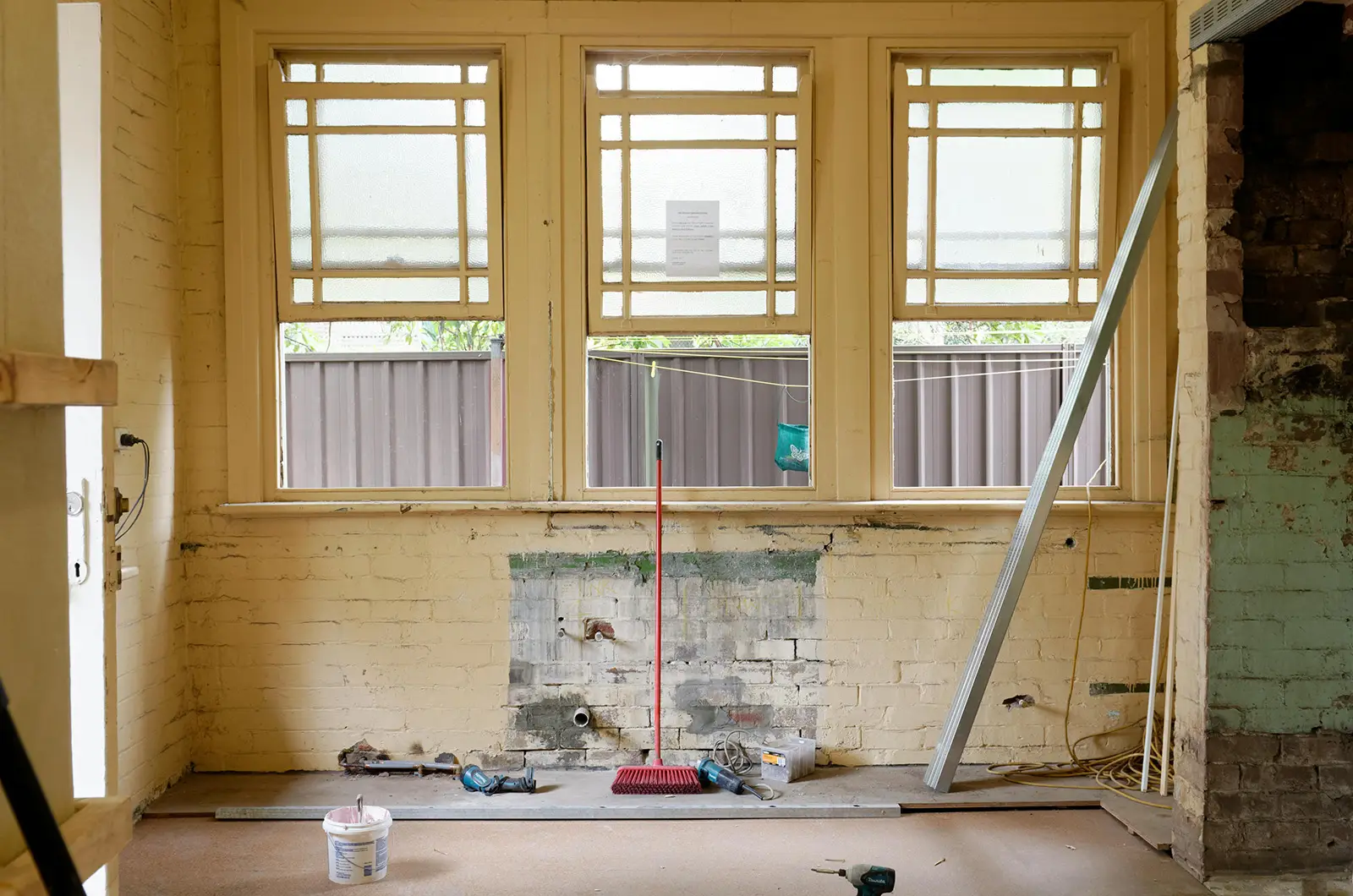
Buying a home is thrilling… until the first leaky faucet and flickering breaker remind you: houses are living systems. Plan for upkeep early and you’ll protect your cash flow, and your weekends.
TL;DR
- Budget 1–3% of home value per year for maintenance (older/ complex homes near the high end).
- Split costs into prevent, repair, and improve buckets.
- Build a 12-month task calendar and auto-save into a dedicated sinking fund.
Snapshot Table: What Typically Needs Money (and When)
| Category | Typical Cadence | Ballpark Cost Range | Notes |
|---|---|---|---|
| HVAC Service | Twice a Year | $150–$350/ visit | Filters every 1–3 months |
| Roof & Gutters | 1–2×/ year (clean/ inspect) | $150–$500 cleaning | Small fixes now ≪ big leaks later |
| Water Heater | Annual flush | $100–$250 | Replacement 8–12 yrs: $900–$2,500 |
| Appliances | As needed/ annual checks | $100–$300/ service call | Life spans vary |
| Exterior Caulk/Paint | 1–5 yrs (climate) | $200–$6,000 | Seals out water = top ROI |
| Landscaping/Irrigation | Seasonal | $50–$500 | Overgrown plants can damage siding |
| Plumbing Odds & Ends | As Needed | $100–$300/ visit | Budget for clogs/ valves |
| Electrical | As Needed | $150–$400/ visit | GFCI, breakers, fixtures |
*Local markets vary—get quotes on Angi or HomeAdvisor.
The “1–3% Rule” (and how to make it real)
- Newer/ smaller/ simpler homes: ~1% of purchase price per year.
- Older/ complex/ high-maintenance homes (pools, mature roofs): 2–3%.
- Convert the number into monthly auto-saves in a high-yield account
Considering Protection Plans & Resources
Some buyers explore service contracts or protection programs to add predictability to repair costs. Gather information aimed at real estate pros and how coverage options are positioned during transactions. You can check this out and use this alongside your own inspection report, quotes, and local vendor intel to decide what fits your risk tolerance.
How-To: 7-Step Maintenance Budget (Checklist)
- Inventory systems: roof age, HVAC type/ age, water heater, foundation, appliances.
- Set your annual number: 1–3% rule → divide into monthly transfers.
- Create three envelopes: Prevent (40%), Repair (40%), Improve (20%).
- Map a calendar: spring HVAC, gutter clean, fall HVAC, caulk/ paint, irrigation checks.
- Price local service calls: save vendor contacts from Yelp or Thumbtack.
- Stock a toolkit: basics from Home Depot or Lowe’s (plunger, caulk gun, GFCI tester, filters).
- Track & review quarterly: adjust auto-saves after surprises.
Eligibility & Documentation Matter (a quiet money saver)
Create a single PDF that spells out what’s covered by whom:
- Builder warranties
- Appliance warranties
- Roof coverage
- Service agreements
You can convert maintenance estimates or inspection reports into editable Excel spreadsheets for easier budgeting and cost tracking. Take a look at tools that allow you to convert PDFs into tables that you can edit as needed.
When you update paperwork or merge receipts, having an easy way to annotate and keep a clean record saves time in emergencies.
Field Tips (Bulleted List): Small Moves, Big Savings
- Filter discipline: set calendar reminders for HVAC filters—energy bills drop when airflow improves.
- Water watch: place leak sensors near water heaters, sinks, and laundry (cheap insurance).
- Seal the shell: re-caulk tubs, windows, and siding penetrations yearly; water is the budget killer.
- Know shutoffs: label main water and gas shutoff valves; minutes matter during a leak.
- Bundle visits: ask vendors to quote multi-service discounts (e.g., HVAC + dryer vent).
Catch Leaks Early
A smart water monitor (e.g., Flo by Moen) can detect abnormal flow and auto-shut off to prevent major damage. Pair with a few battery leak pucks for high-risk spots.
At-Closing Prep: What to Ask
| Ask Your Agent/Inspector | Why | What You Do With It |
|---|---|---|
| Remaining life on roof/ HVAC | Predict big-ticket timing | Set aside a “major systems” reserve |
| Drainage & grading notes | Prevents foundation issues | Budget for gutter/landscape fixes |
| Appliance model/serial list | Warranty & parts research | Save manuals/parts links in a folder |
| Utility history | Forecast baseline costs | Adjust monthly cash plan |
| Permit history | Confirms permitted work | Avoid surprises on resale |
Sources you can check yourself: Zillow (public records tab), Redfin (past sale notes), and your city’s permit portal.
FAQ
Is the 1–3% rule enough for older homes?
Often you’ll want closer to 2–3%, plus a separate sinking fund for big replacements (roof/ HVAC) based on age.
DIY or hire?
DIY routine items you’re comfortable with; hire licensed pros for electrical, gas, roofing, and structural work.
What if a big repair hits early?
Pause non-essential improvements, tap your emergency fund, and increase monthly auto-saves for 6–12 months to refill.
How do I keep from forgetting tasks?
Use a recurring calendar and a single “house log” note. Watching a few YouTube maintenance walkthroughs helps you estimate time and tools.
Learn & Earn More While You Own
If you want stronger career skills to keep that household budget healthy, employer-friendly online programs in tech and business can fit around life. Explore reputable listings through universities, professional bodies, or marketplaces like Coursera, short courses can translate into higher earning power (and a bigger maintenance cushion).
Homes stay happy when you budget, calendar, and document. Decide your yearly number, auto-save monthly, run a seasonal checklist, and keep clean records. Do that, and “surprise” repairs become manageable line items—not money panic.