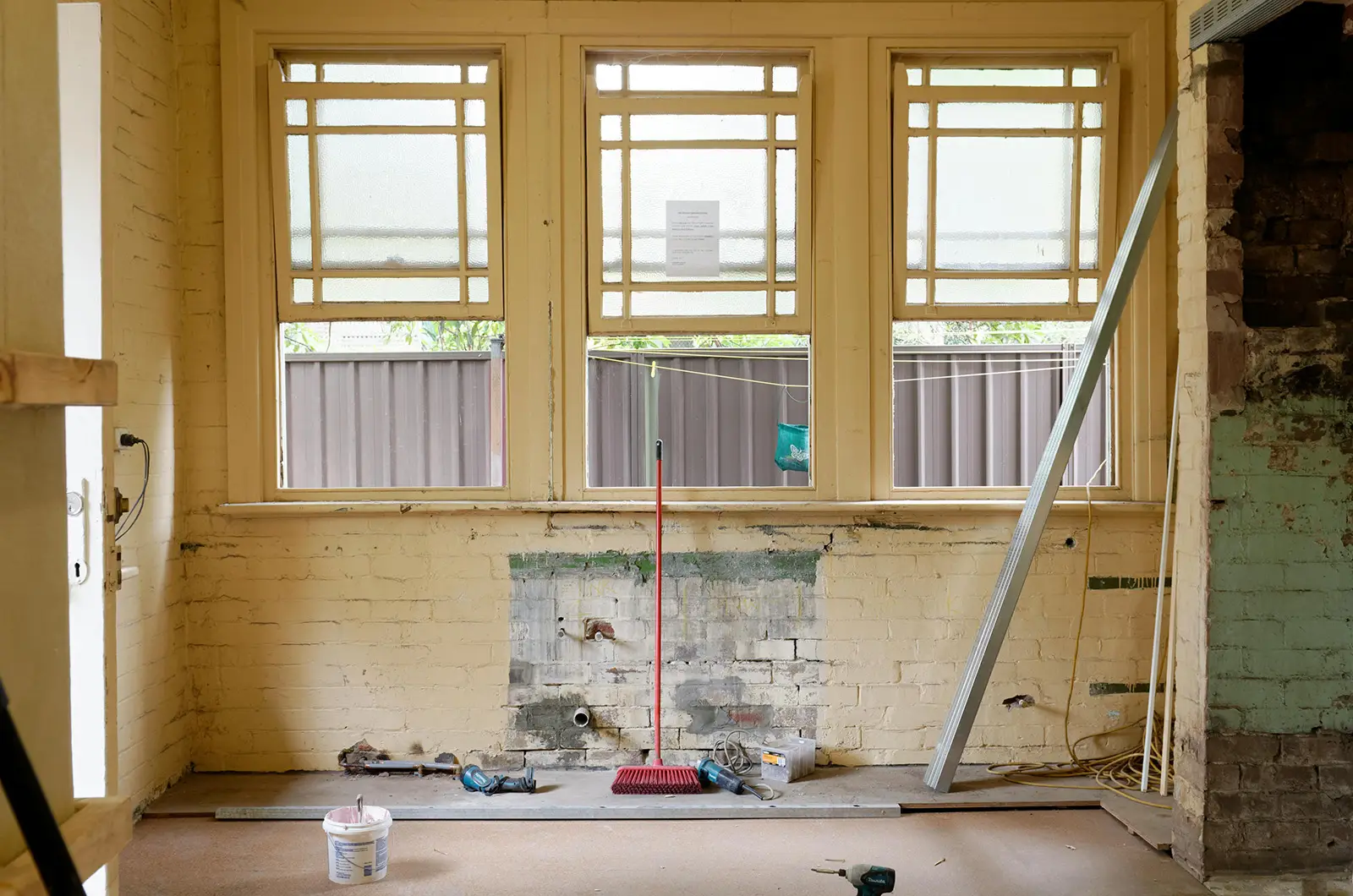
 House Flipping for Seniors: How to Thrive in Real Estate After Retirement
House flipping isn’t just for the 30-something HGTV crowd — it’s a highly accessible and increasingly popular venture for seniors looking to build income, stay active, or explore new territory in retirement. There’s freedom in being your own boss, tangible satisfaction in seeing a property transform, and the possibility of real financial reward.
But while energy and enthusiasm are key, what really gives older adults an edge is patience, planning, and the wisdom to avoid beginner traps. Flipping houses isn’t about being fast — it’s about being smart. For seniors, that means reducing risk, simplifying systems, and drawing from decades of decision-making.
Here’s how to enter the house flipping space with confidence — and actually thrive.
Start with the Right Legal Setup
Before buying your first property, it’s essential to get the legal foundation right. Seniors are often working with retirement savings or fixed income, which makes protection even more important.
One of the first steps is to choose the right LLC formation route to shield personal assets from liability and keep business finances separate. LLCs also provide tax flexibility that sole proprietorships lack, especially useful when multiple flips are planned.
This isn’t paperwork for paperwork’s sake — it’s about risk insulation and establishing legitimacy with contractors, lenders, and buyers. Smart formation now can prevent costly headaches later. Seniors who treat flipping like a real business from the outset set themselves apart from the hobbyist crowd.
Simplify Document Handling from the Start
Even small flips come with a flood of paperwork — purchase contracts, insurance documents, city permits, invoices, inspection reports. Staying organized isn’t optional; it’s how things move forward.
Seniors should use a streamlined PDF converter to keep everything readable, shareable, and archive-ready. Whether you’re emailing scanned signatures to a title company or compiling receipts for tax prep, having a simple way to generate clean PDFs makes the admin side of flipping much less overwhelming.
It’s not about tech tricks — it’s about reducing friction when the clock is ticking on a 90-day flip window.
Avoid Rookie Mistakes That Blow Budgets
The fastest way to lose money in house flipping is underestimating what can go wrong. Always build a 20% buffer into your renovation budget — and watch out for renovation surprises like outdated electrical, asbestos, or permit delays.
- Get three quotes for every job
- Never pay a contractor full price upfront
- Walk every job in person (or via video)
Seniors often bring a calm, no-rush approach to projects, which is a superpower if they lean into it. Fast money flippers cut corners and often regret it. Stick with licensed pros, triple-check scopes of work, and being methodical beats being fast.
Build Your Confidence Through Business Education
While some seniors come from professional backgrounds, others may be starting from scratch when it comes to running a business.
If you’re rusty on things like budgeting, negotiation, or marketing, consider investing in flexibility with an online business degree to sharpen your toolkit. Programs designed for adult learners let you study at your own pace, build new confidence, and apply skills immediately to real-world projects.
A course in project management or accounting could pay for itself in one good flip. Education isn’t a detour — it’s a lever. Seniors who back their instincts with strategy tend to move faster and recover better when things go sideways.
Choose Properties That Won’t Drain You
Many seniors new to the business focus on cosmetic changes — a fresh coat of paint, new fixtures, a better layout — but overlook structural risks that can turn a project into a money pit.
A good rule of thumb is to evaluate neighborhoods and repair risk together:
- ✅ Look for houses with curb appeal in transitional areas
- ❌ Avoid ones that need foundation work or full system overhauls
Cosmetic rehab is where margins live. A dated kitchen is your friend. Mold in the walls? Walk away. Flipping is a volume game, and you don’t want your first project to be your last because the budget spiraled. The right property doesn’t just offer profit potential — it lets you stay in control.
Know How to Finance Without Stress
Lenders treat house flips differently than traditional home purchases, and not all financing options are created equal — especially if you’re not drawing a full-time paycheck.
Seniors should compare creative loan options like:
- Hard money loans
- HELOCs on their current home
- Partnerships with younger investors who bring cash but need guidance
Retirement funds can also be tapped through self-directed IRAs, but that takes planning and compliance. Don’t rush this part — get advice, understand the terms, and plan for overages. Profit is made when you buy, not when you sell.
Use Tech and Remote Tools to Scale
Mobility or energy constraints shouldn’t hold seniors back — flipping doesn’t require crawling under houses or lifting cabinets.
Many successful investors today learn to flip houses virtually, managing entire projects through:
- Video walkthroughs
- Drone inspections
- Zoom calls with contractors
Seniors with computer access and a phone can handle acquisitions, coordinate remodels, and list properties all without leaving home. If anything, their scheduling flexibility gives them an edge — they can wait for the right deal or spend an extra hour reviewing a contractor bid. Remote workflows aren’t just a COVID-era workaround; they’re now a competitive advantage that expands reach and reduces hassle.
Final Thoughts
House flipping for seniors isn’t a fringe idea — it’s a savvy pathway for those who want to stay sharp, generate income, and use their time meaningfully. The barriers to entry are lower than ever, but so is the margin for error.
The seniors who win at flipping aren’t rushing into demo day; they’re setting up LLCs, running the numbers twice, and only buying when it makes sense. They’re using digital tools to manage properties from afar and backing every decision with wisdom gathered over decades.
Most importantly, they know that flipping is not just about houses — it’s about process, patience, and knowing your edge. This isn’t about reinventing yourself. It’s about activating what you already have. And in the world of real estate, that’s worth a whole lot.
Discover the vibrant communities and exceptional properties Detroit has to offer by contacting us today!